


Outdoor Shed Lifetime: How Long Does an Outdoor Shed Really Last?

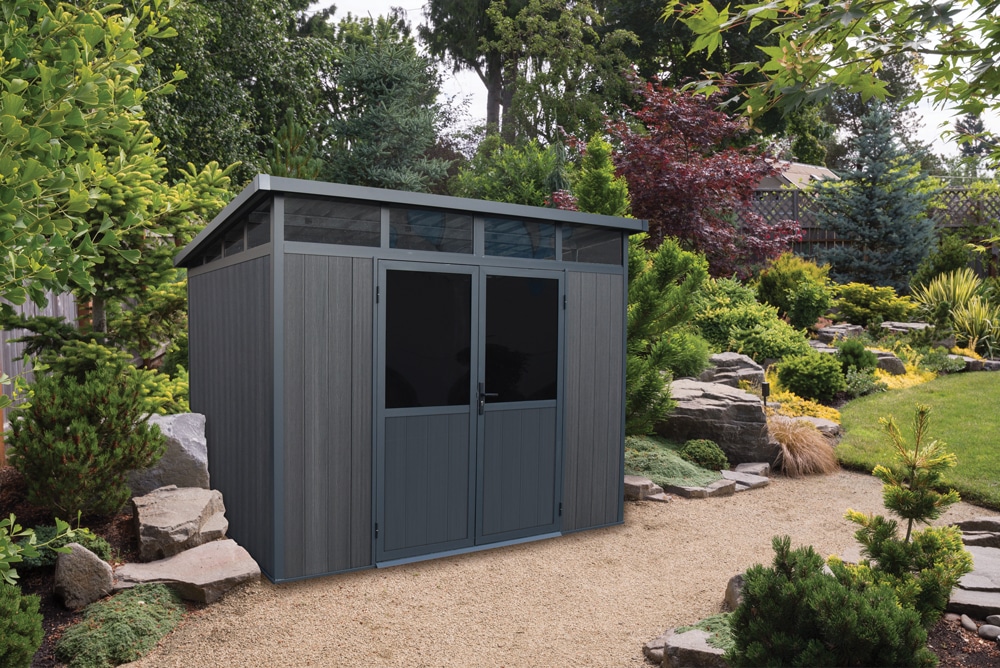
When investing in sheds, one of the most important questions homeowners ask is simple: how long will an outdoor shed last? The lifetime of an outdoor shed depends on materials, design, maintenance, climate, and how the shed is used for storage and outdoor activities. At FiberWood, we help homeowners understand what truly impacts shed durability so they can make a long-term investment that adds value to their property.
What Is The Outdoor Shed Lifetime?
The lifetime of an outdoor storage shed refers to the number of years the structure maintains its structural integrity, safety, and appearance under normal outdoor conditions. This includes resistance to weather, load, moisture, and daily use.
A shed that looks intact but has compromised walls, roof, or doors has effectively reached the end of its functional life.
Average Lifespan of Outdoor Storage Sheds
Most Storage Sheds fall into a wide lifespan range depending on construction:
- Low-quality sheds: 5–10 years
- Mid-range sheds: 10–20 years
- High-quality outdoor sheds: 20–40+ years
The difference is almost always tied to materials, design, and maintenance.
Materials That Define Shed Durability
Material selection is the biggest factor affecting an outdoor shed’s lifetime.
- Wood sheds offer natural aesthetics but require frequent maintenance
- A metal storage shed resists insects but may rust or dent
- Plastic sheds provide excellent resistance to moisture and rot
Modern plastic sheds made from high-density polyethylene are engineered to resist cracking, fading, and moisture penetration.
Wall Construction and Structural Integrity
The walls of an outdoor shed carry both vertical and lateral loads. Thin wall panels often bow or crack after years of use.
Reinforced Wall Systems
Sheds with internal steel reinforcements or reinforced steel columns maintain shape and strength longer. Thicker shed wall panels improve impact resistance and extend overall durability.
Roof Design and Weather Resistance
The roof is the most exposed part of any shed and a major determinant of lifespan.
Snow Load Capacity
In colder climates, snow load capacity is critical. Roof trusses designed for snow loads prevent sagging and collapse. Steel-supported roof trusses dramatically extend shed lifespan in harsh weather zones.
Ventilation, Vents, and Moisture Control
Proper airflow protects stored items and the shed structure itself.
Air Vents and Screened Vents
Well-designed vents and screened vents reduce condensation buildup and mold growth.
Doors, Access, and Wear Over Time
Frequent use accelerates wear on access points.
Double Doors and Large Doors
Wide double doors reduce strain when moving equipment like a lawn mower, wheelbarrow, or snow blower. A lockable door with reinforced hardware improves both security and longevity.
Windows and Skylights: Light Without Damage
Integrated skylights, such as full-length ridge skylights, improve visibility without adding electrical systems.
UV Protected Windows
UV protected Windows prevent yellowing, cracking, and interior heat buildup.
Explore FiberWood’s outdoor sheds designed for long-term durability.
Foundation and Ground Contact Impact
A shed’s lifetime is heavily influenced by what it sits on.
Shed Base Foundations
A properly leveled base protects the structure from moisture and shifting soil. Steel foundation kits offer superior long-term stability, especially on uneven terrain.
Maintenance and Its Effect on Shed Lifetime
Simple maintenance tasks such as cleaning vents and checking door alignment extend shed life significantly.
Painting and Sealing
Wood sheds require regular painting, while plastic sheds eliminate this requirement entirely.
Outdoor Use and Storage Load
What you store matters.
Heavy Equipment Storage
Storing ATVs, riding lawn mowers, or vehicles increases structural stress.
Shelving and Load Distribution
A proper shelving system distributes weight evenly and protects walls and flooring.
Invest in a high-quality outdoor storage sheds.
Backyards, Climate, and Environmental Stress
Sheds placed in exposed backyards experience more UV exposure, wind, and moisture.
Climate-Specific Design
Sheds designed for specific locations last longer than generic models.
Plastic Garden Storage Shed Longevity
A plastic garden storage shed typically outlasts wood in wet climates and metal in coastal areas.
Resistance to Rot and Rust
Plastic sheds are immune to rust, insects, and rot, contributing to longer service life.
Versatility and Adaptability Over Time
Shed Expansion Kits
Modern sheds with extension kits or shed expansion kits adapt to changing needs instead of becoming obsolete.
Warranty as a Lifetime Indicator
A strong warranty reflects manufacturer confidence. Long warranties often correlate with better materials, engineering, and durability testing.
How Long Should a High-Quality Outdoor Shed Last?
When properly designed and installed, a premium outdoor storage shed should last 25–40 years, maintaining both structural performance and visual appeal.
Why FiberWood Focuses on Long-Term Shed Performance
FiberWood prioritizes durability, smart material selection, and expert guidance to help customers choose sheds that perform for decades; not just a few seasons.
Outdoor Shed Lifetime: Making a Smart Long-Term Choice
Understanding the true lifetime of an outdoor shed empowers homeowners to invest wisely. By selecting durable materials, proper foundations, and low-maintenance designs, your shed becomes a long-term asset that enhances storage, organization, and property value.
View our outdoor shed solutions.