


PVC vs. Composite Decking: How to Choose the Right Material for Your Deck

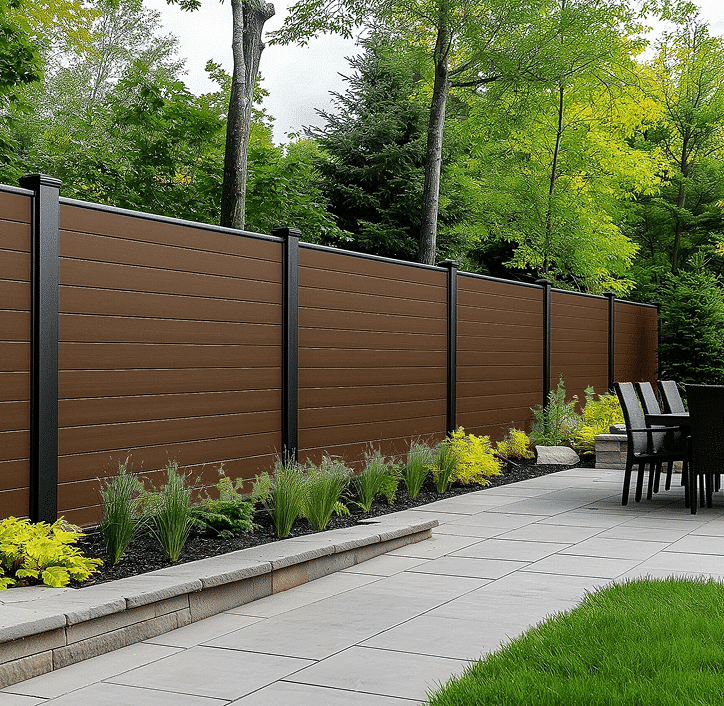
PVC vs. Composite Decking: How to Choose the Right Material for Your Deck
Published on: 09 September 2026
Article summary
Planning a new deck? Two materials dominate the conversation today: PVC decking and composite decking. Both promise a low-maintenance alternative to wood, both look convincingly natural from the curb, and both have largely replaced pressure-treated wood on quality builds. Yet their material composition, performance and cost differ in ways that matter over 25 or more years of ownership. This guide breaks down what each decking material is made of, how they behave in real backyard conditions, and the questions worth asking before you order a single board, so Fiberwood can help you choose with confidence.
PVC and Composite Decking: Two Materials, One Goal
Both are engineered decking materials created to eliminate the classic headaches of a wood deck: rot, splinters, insect damage and the endless staining cycle. Where they part ways is what is actually inside the board.
What Is PVC Decking?
PVC decking, often called vinyl decking, is made entirely from polyvinyl chloride and other synthetic materials, with zero wood content. Because these PVC deck boards contain no organic matter, they are exceptionally light, dimensionally stable and offer outstanding resistance to moisture. Manufacturers such as TimberTech, AZEK and Endeck produce Advanced PVC decking with remarkably realistic finishes built from refined polymer blends. One clarification: don’t confuse PVC boards with vinyl membrane products, which are waterproofing sheets applied over rooftop decks, not structural deck boards.
What Is Composite Decking?
Wood-plastic composite decking blends recycled wood fibers with recycled plastic (typically reclaimed polyethylene film) into dense, manufactured composite materials. Pioneers like Trex and ChoiceDek built the category, and most composite boards today contain up to 95% recycled content. That makes composite one of the more eco-friendly decking materials on the market: every deck diverts sawdust and grocery bags from landfill waste and shrinks the project’s environmental footprint. Those recycled wood fibers also give composite a warmth, weight and texture that many homeowners associate with real lumber.
Capped vs. Uncapped Decking
Early composite boards from the 1990s “maintenance-free craze” were uncapped: the bare core was exposed to the elements, so boards stained, faded and sometimes grew mold. Uncapped decking still exists at budget price points, but nearly every quality board sold today is capped decking: the core is wrapped in a protective shell that does the heavy lifting against weather, spills and foot traffic.
How Capping Technology Works
Capping technology bonds a weather-resistant shell, called the capstock, to the board during extrusion. On capped composites, tough polymer caps shield the wood-based core on three or four sides. Premium PVC lines go further still, some using an Acrylonitrile Styrene Acrylate (ASA) cap engineered for intense UV exposure. When comparing products, ask whether the capping wraps all four sides, including the grooved edge where fasteners sit.
Durability: Moisture, Mold and Insects
Durability is where material composition truly shows its hand, and where your climate should drive the decision more than any brochure.
Water Absorption and Moisture Resistance
Moisture is one of the biggest factors affecting the lifespan of any decking material. Both PVC decking and composite decking perform well, but one offers a clear advantage in consistently wet environments.
- PVC decking has near-zero water absorption thanks to its polyvinyl chloride core.
- Ideal for pool decks, docks, and hot tub areas with constant water contact.
- Composite decking offers excellent moisture resistance, but exposed wood fibers can absorb moisture if cuts are left unsealed.
- Proper installation and quality capping improve long-term water resistance.
- For consistently wet environments, PVC decking is the better choice.
Mold, Mildew and Insect Damage
Both materials are designed to withstand outdoor conditions far better than traditional wood. They resist biological damage while requiring very little ongoing maintenance.
- PVC decking contains no organic material, providing excellent mold resistance.
- Composite decking also resists mold and mildew, especially capped products.
- Neither material is susceptible to insect activity or insect damage.
- Both provide outstanding resistance to rot with minimal maintenance.
- Some PVC products also offer enhanced fire resistance for added protection.
Comfort and Safety Underfoot
A deck you can’t walk on barefoot in July, or that turns slick in August rain, fails at its one job: resilience in daily use.
Heat Retention in Full Sun
All decking warms up in summer, but heat retention varies with color and density. Darker composite boards can become genuinely uncomfortable underfoot, while lighter shades stay noticeably cooler. Several Advanced PVC decking collections now integrate heat-blocking technology directly into the cap, reflecting solar energy so surface temperatures drop meaningfully compared to standard boards. The honest tip no spec sheet replaces: order samples in your shortlisted colors, leave them in direct sun for an afternoon, then press your palm on each one.
Slip Resistance
Slip resistance matters wherever water splashes. Deep wood-grain embossing improves wet grip on both materials, and many PVC boards are rated specifically for wet environments, one reason they dominate pool decks and hot tub surrounds. Check the manufacturer’s slip ratings for your intended use, and confirm stair and railing requirements in your building codes before finalizing the design.
PVC vs Composite Aesthetics
Aesthetics are personal, but the visual gap between synthetic boards and lumber has nearly closed.
Grain Pattern, Texture and Color Choice
Modern boards feature multi-tonal streaking, a cathedral grain pattern and realistic wood grain textures that fool most guests. Composite’s genuine wood fibers lend a matte, organic aesthetic appeal, while premium PVC convincingly mimics tropical hardwoods such as ipe and cumaru, without the environmental concerns of harvesting them. The color range on either material is far wider than anything stacked at a lumber yard, from pale driftwood grays to deep espresso browns, so matching your siding or landscape is straightforward.
Fading, UV Inhibitors and the Weathering Process
Uncapped boards of the past turned chalky gray within a few seasons. Today, UV inhibitors blended into the capstock deliver strong fade resistance, and the weathering process is slow and even rather than blotchy. Most manufacturers now back fading and staining for 25 to 50 years, some with a limited lifetime warranty. Read the actual warranty document, not the marketing page.
Maintenance and Cost Over the Life of Your Deck
The purchase price is only the opening chapter; maintenance hours and longevity write the rest of the story.
Low-Maintenance Is Not No-Maintenance
Despite the slogans, neither material is truly “no-maintenance.” Realistic upkeep looks like this: a soap-and-water wash twice a year, clearing leaves from the expansion gaps between boards, and an occasional gentle pressure wash (low PSI, fan tip, never up close). What disappears entirely is the sanding, staining and sealing cycle that wood demands: minutes per season instead of lost weekends. For most owners, that reclaimed time, not the durability, is the real reason they never go back to wood.
Comparing Cost, Value and Warranty
On upfront cost, composite generally wins; PVC decking commands a premium of roughly 15 to 30%. Installation costs are similar for both, since hidden fastener systems, multi-level decks, integrated lighting and railings drive budgets more than the boards themselves. Confident DIY projects are absolutely feasible, but manufacturer-certified installers protect your warranty and your resale value. Over a 25-year horizon, both materials typically beat wood once you tally stain, sealant and replacement boards, and the stronger the fade and stain warranty, the better that math gets.
Get expert help choosing a durable, low-maintenance decking solution that fits your budget and style.
Contact FiberWood today to find the right decking for your outdoor project.
How to Choose the Right Decking for Your Backyard
Choosing comes down to honest questions about how you’ll actually use the space. Full sun or deep shade? Pool or hot tub nearby? Heavy snow load? Is upfront budget or lifetime value the priority? Do environmental concerns steer you toward recycled materials? If your deck faces constant water contact and blazing sun, PVC’s performance justifies its price.
If you want the warmest wood look, the greenest footprint and the best value per square foot, composite is hard to beat. A few smart buying tips before building a deck: test samples for heat and grip, verify permits and building codes early, plan lighting and railings at the design stage, and think beyond the platform, because matching fencing, pergolas and outdoor furniture exist within many manufacturers’ outdoor living products.
You won’t find the full range at a big-box lumber yard, which is exactly where Fiberwood comes in: our team will help you compare quality, samples and warranties side by side, so the deck you build this year is still the one you love decades from now.