


How Much Is Composite Decking

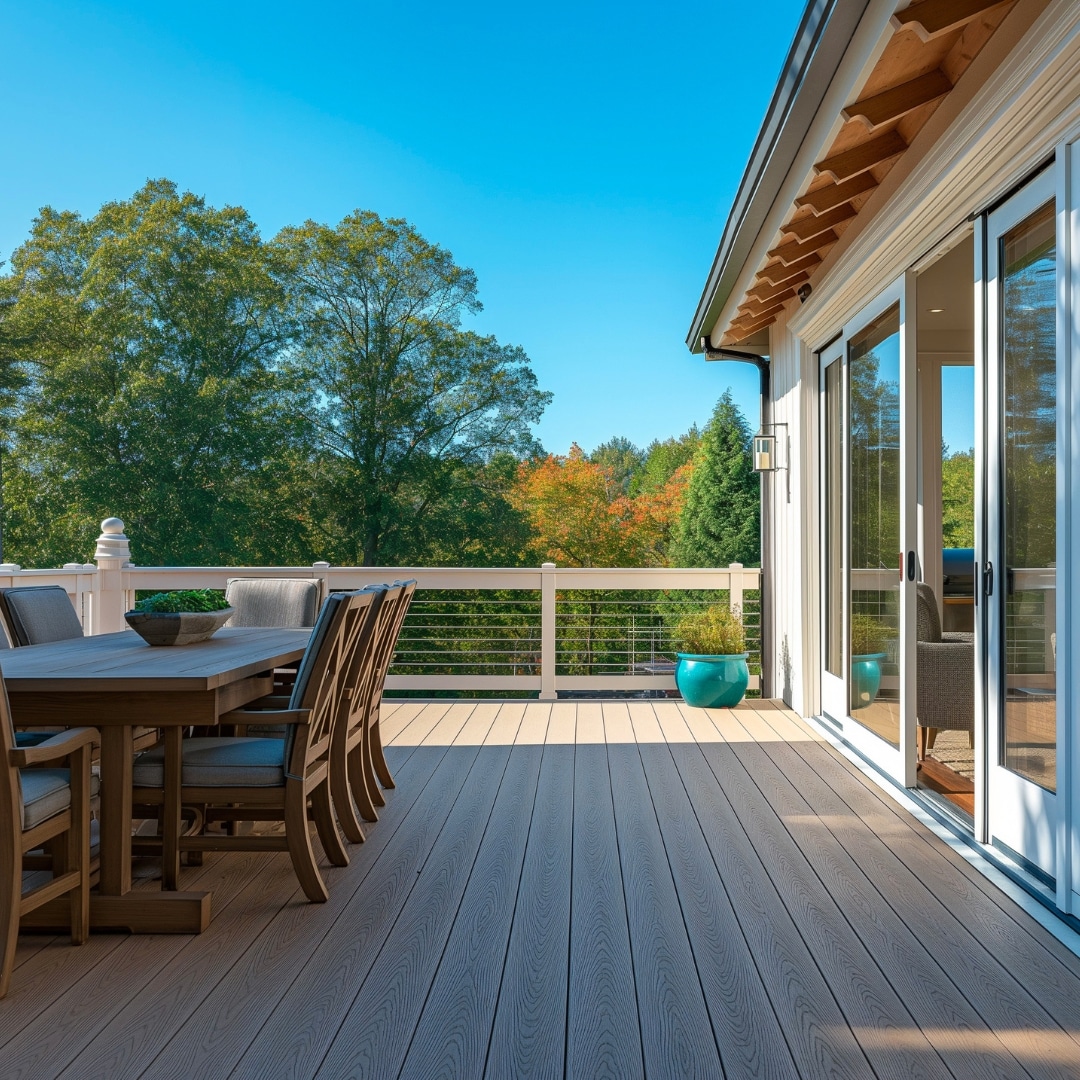
How Much Is Composite Decking?
Published on:29 April 2026
Article summary
When planning to build a deck, one of the first questions homeowners ask is: how much is composite decking? The answer varies depending on materials, installation, design complexity, and overall project size.
In today’s market, Composite Decking has become one of the most popular solutions for building a durable and visually appealing outdoor space. Compared to traditional pressure-treated wood or cedar, composite solutions offer superior performance, better aesthetics, and long-term value with minimal staining or maintenance.
Whether you’re planning a simple backyard deck project or a large custom outdoor living area, understanding decking costs is essential to making the right investment.
What Is Composite Decking?
Composite decking is made from a blend of wood-plastic composites, including recycled materials such as reclaimed wood, recycled plastic, and recycled polymers. This combination creates a durable, long-lasting material designed to resist weather and wear.
Why Composite Decking Is Popular
Unlike traditional wood, composite boards offer natural resistance to moisture, insects, and decay. This makes them ideal for outdoor environments where durability is key.
Composite vs Traditional Decking
Compared to pressure-treated wood and cedar, composite decking offers superior resistance to fading, cracking, and scratching, making it a preferred product for modern homeowners.
Average Cost of Composite Decking
The average price of Composite Decking typically ranges between $8 and $18 per square foot for decking boards alone.
Price Ranges by Product Type
Entry-level boards like Enhance® Basics Collection are more affordable, while premium collections such as Edge Prime Collection or advanced capped boards offer enhanced performance and durability.
Cost of Composite Decking Materials
The materials used in your deck project significantly impact the total cost. High-quality composite deck boards or composite decking boards vary in price depending on thickness, board type, and finish. The framing material, whether wood or metal framing, also contributes to the budget.
Hidden Fastening Systems
Using a hidden fastening system improves the appearance of your deck, but adds to overall costs.
Material Choices and Upgrades
Additional upgrades like a solid core, improved thermal & moisture protection, and enhanced fading resistance increase costs but improve longevity.
Upgrade your outdoor space with Fiberwood.
Installation Costs and Labor
Installation is a major component of total decking costs.
Labor Costs Explained
Labor costs or labour costs typically range from $15 to $35 per square foot depending on complexity and region.
DIY vs Professional Installation
Choosing DIY composite decking can reduce expenses, but professional installation ensures proper alignment, structural integrity, and long-term durability.
Complex Deck Designs
Custom deck designs, multi-level layouts, or adding stairs significantly increase installation complexity and costs.
Additional Features That Affect Cost
Extra features enhance your outdoor space, but increase your budget.
Railings and Accessories
Adding railings, lighting, or trim upgrades improves both safety and aesthetics.
Patios, Stairs, and Extensions
Features like built-in seating, patios, or multi-level deck layouts increase both material and labor requirements.
Comparing Composite Decking to Wood Decking
Understanding the difference between traditional wood options and modern composite decking is essential when evaluating your investment. While wood has long been used in deck building, newer composite materials have transformed the industry by offering improved durability, reduced maintenance, and better overall performance. Comparing these two options side by side helps homeowners make a more informed decision based on both short-term decking costs and long-term value.
Pressure-Treated Wood vs Composite
Pressure-treated wood is often chosen because of its lower upfront price, making it attractive for budget-conscious homeowners. However, this type of deck material requires continuous upkeep, including regular staining, sealing, sanding, and repairs to maintain its appearance and structural integrity. Over time, exposure to moisture, sunlight, and temperature fluctuations can cause warping, cracking, and splintering.
In contrast, composite decking is engineered to resist these issues. It offers excellent protection against insects, rot, and environmental wear, eliminating the need for frequent maintenance. Although the initial cost is higher, the reduced need for repairs and upkeep makes composite a more convenient and reliable option for modern outdoor spaces.
Cedar vs Composite Decking
Cedar is another popular wood choice known for its natural beauty and warm aesthetics. It provides a classic look that many homeowners appreciate, especially in traditional deck designs. However, cedar still requires consistent maintenance, including sealing and protection against fading, mold, and weather damage. Without proper care, cedar can deteriorate over time, affecting both its appearance and lifespan.
On the other hand, composite decking boards are designed to mimic the look of real wood while offering superior long-lasting performance. They maintain their color and finish for years, even in harsh weather conditions, and provide a more consistent and durable solution for homeowners who want both style and functionality without the ongoing maintenance demands of wood.
Long-Term Value
When evaluating long-term value, composite decking clearly stands out. While wood options like pressure-treated lumber or cedar may seem more affordable at first, the ongoing costs of maintenance, repairs, and replacements can add up significantly over time. Composite materials, on the other hand, offer extended lifetime performance, minimal upkeep, and strong Warranties, making them a cost-effective solution in the long run.
By investing in composite decking, homeowners benefit from a durable, visually appealing, and low-maintenance deck that enhances their outdoor space while reducing overall ownership costs.
Build smarter. Choose Fiberwood decking.
Cost Factors That Influence Pricing
Several Cost Factors determine final pricing.
Deck Size and Dimensions
Larger deck dimensions require more materials, increasing costs.
Regional Pricing and Location
Costs vary by location due to regional variations, availability of materials, and labor markets (e.g., Edmonton, Calgary, etc.).
Building Permits and Regulations
Projects may require building permits, engineering approvals, or inspections, adding to total expenses.
Environmental Impact and Performance
Composite decking is also valued for sustainability.
Eco-Friendly Materials
Most composite products use recycled materials, reducing environmental impact compared to traditional lumber.
Durability and Resistance
Composite decking offers excellent resistance to moisture, insects, and weather conditions, ensuring long-term performance.
Advanced Technology
Modern boards include features like heat blocking capping, improved durability, and enhanced fading protection.
Is Composite Decking Worth the Cost?
Despite a higher upfront investment, composite decking is widely considered one of the best long-term choices for homeowners looking to build a durable and low-maintenance deck. When you factor in reduced upkeep, extended lifespan, and improved performance, the overall value becomes clear. Unlike traditional wood, composite materials are designed to withstand moisture, insects, and everyday wear, making them ideal for any outdoor space. Over time, this translates into fewer repairs, less maintenance, and more time enjoying your deck rather than maintaining it.
Warranties and Longevity
One of the strongest advantages of Composite Decking is the level of protection offered by manufacturers. Most high-quality products come with extensive Warranties, often ranging from 25 years to a limited lifetime coverage. These warranties typically include protection against fading, staining, and structural issues, giving homeowners confidence in their investment.
This long-term reliability makes composite decking a smart option for those who want a long-lasting solution without the recurring costs associated with wood decks.
Customer Value and Satisfaction
For the average Customer, the value of composite decking goes beyond just cost—it’s about convenience, durability, and peace of mind. With minimal need for staining, sealing, or repairs, homeowners can enjoy consistent performance and a clean, modern look year after year.
The combination of attractive aesthetics, low maintenance, and long-term durability makes composite decking a highly satisfying choice for anyone looking to upgrade their deck or enhance their outdoor living experience.
Fiberwood Composite Decking Costs
The cost of Composite Decking depends on your deck project, material quality, and installation choices. While the initial investment may be higher than traditional wood, the long-term savings, durability, and aesthetics make it a smart investment.
Fiberwood’s composite decking solutions are designed to deliver premium performance, modern design, and long-lasting durability for any outdoor space.