


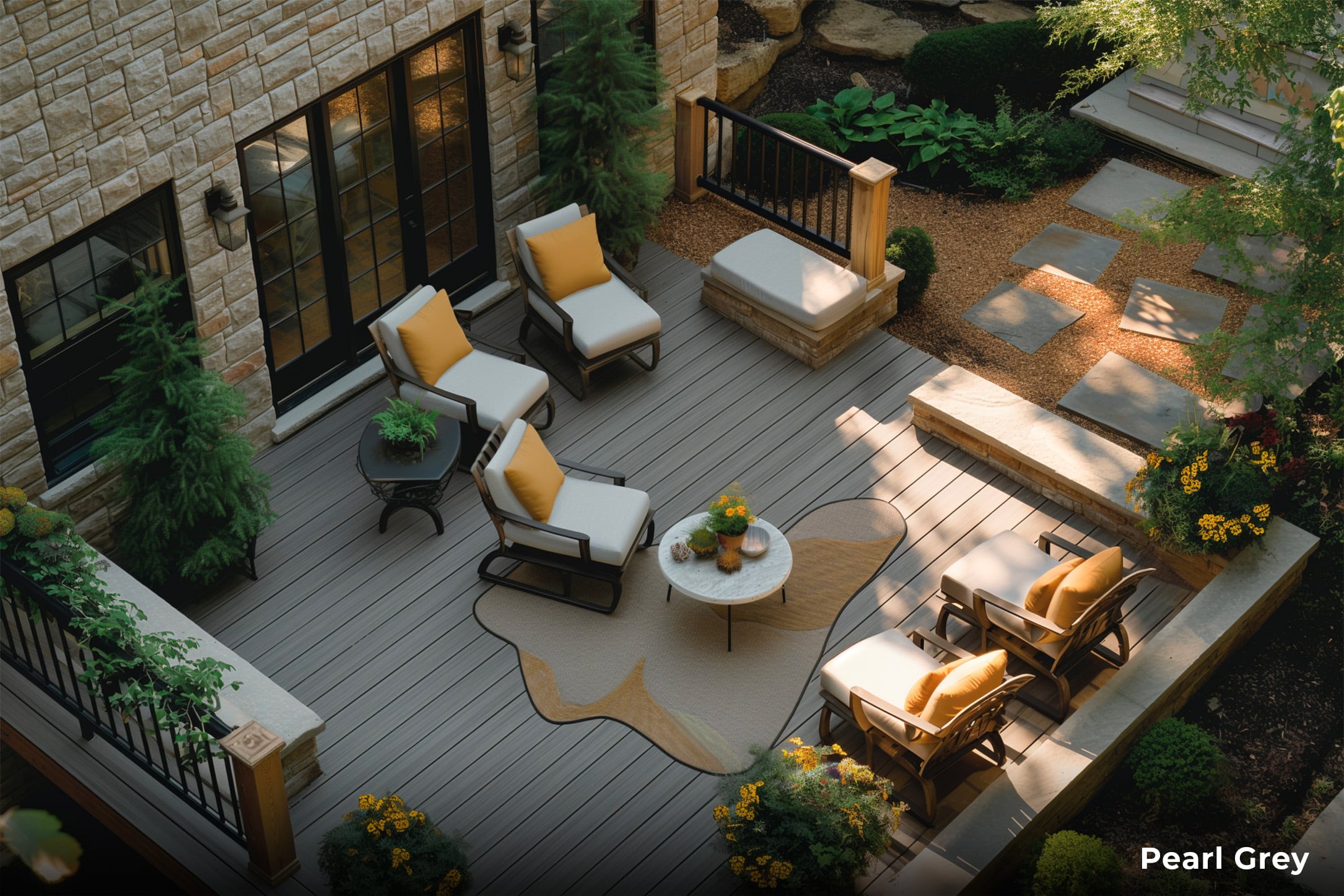
Choosing between composite deck boards vs Wood is one of the most important decisions you’ll make when designing a new deck or renovating an existing one. Both materials offer unique advantages, but they differ significantly in terms of appearance, maintenance, longevity, durability, environmental impact, and long-term costs.
For decades, Wood Decking was the standard choice for homeowners looking to create an inviting outdoor space. Today, however, premium composite decking has become one of the fastest-growing deck material options, offering outstanding performance with significantly less upkeep.
At FiberWood, we believe homeowners should understand the strengths and limitations of every decking material before beginning a building project. Whether you’re comparing Treated Wood, cedar, redwood, tropical hardwoods, or modern composite materials, this guide will help you make an informed decision.
Your deck is more than just an extension of your home. It becomes the centerpiece of your outdoor space, where family gatherings, summer barbecues, and quiet evenings take place. The decking you choose will influence not only the appearance of your project but also its durability, safety, and long-term ownership experience.
Different materials perform very differently depending on local climates, daily use, and exposure to sunlight and moisture. While some homeowners prefer the traditional appearance of natural wood, others prioritize the low-maintenance benefits of modern composite decking.
Although initial pricing often influences buying decisions, the true value of a decking material extends far beyond installation day.
A less expensive material may require years of sanding, staining, sealing, and repairs, while premium composite decking may significantly reduce future maintenance costs.
When evaluating your options, it’s important to consider:
Many homeowners focus solely on the purchase price of deck boards, but ongoing ownership can quickly change the equation.
Wood requires routine care, while premium composite products are engineered to maintain their appearance with minimal effort. Over twenty or thirty years, reduced maintenance, fewer repairs, and improved longevity often offset the higher initial investment.
If you enjoy spending weekends relaxing rather than sanding or applying stain, composite decking may be a better fit.
Families with children and pets also appreciate materials that resist splintering, reduce the risk of splinters, and remain attractive year after year.
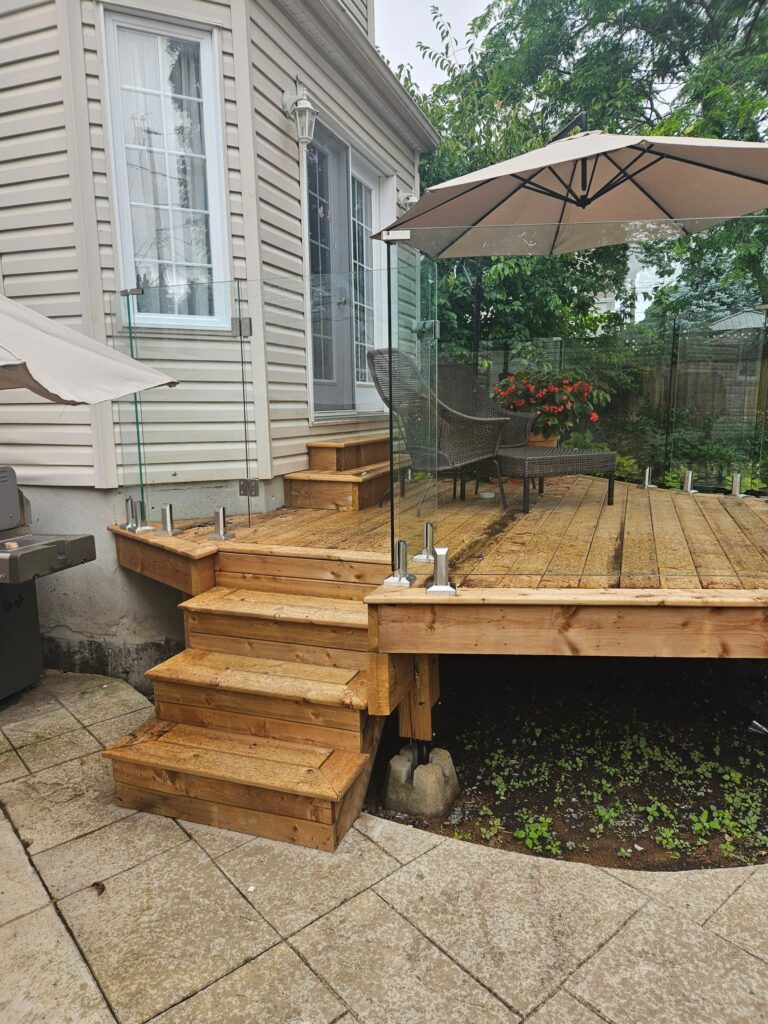
For generations, Wood Decking has been the traditional choice for residential construction. Its authentic appearance and natural character continue to attract homeowners who appreciate organic building materials.
Several wood species are commonly used for deck-building, each offering different levels of durability, appearance, and maintenance requirements.
Homeowners typically choose between:
Each option varies in price, colour, lifespan, and resistance to insects and moisture.
Pressure-treated products remain popular because of their affordability, while premium hardwoods offer greater durability but come with substantially higher costs.
One of the biggest advantages of natural wood is its unique grain pattern.
No two boards look exactly alike, giving every deck a distinctive appearance. Species such as Western Red Cedar, redwood, and other tropical hardwoods are prized for their rich colours and natural beauty.
Despite its appeal, wood is a living material that changes over time.
Exposure to sunlight, rain, snow, and fluctuating temperatures causes expansion, contraction, cracking, and fading.
Without regular staining, sealing, or paint, many wood decks gradually lose their original appearance.
In addition, untreated or poorly maintained boards may experience:
Modern composite decking combines advanced engineering with attractive finishes to create a high-performance alternative to traditional lumber.
Instead of relying entirely on solid wood, composite deck material combines recycled wood, plastic, and other engineered composite materials into durable deck boards designed for long-term outdoor use.
Many premium manufacturers also incorporate high-density polyethylene, protective cap layers, or a polymer outer shell that shields the boards from moisture and UV exposure.
Today’s deck composite materials use advanced manufacturing processes that blend:
These wood-plastic composites produce stable boards that resist many of the problems associated with traditional lumber.
Unlike conventional wood, modern composite decking is engineered to minimize:
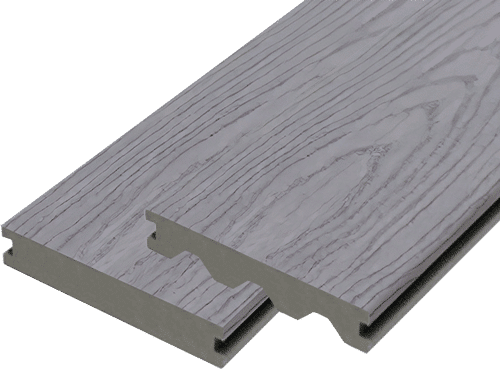
Premium composite products feature a durable composite core protected by an advanced cap layer that helps resist scratches, stains, moisture, and UV damage.
This protective technology allows homeowners to enjoy beautiful decking with significantly less upkeep than traditional wood decking.
Many homeowners also appreciate the environmental benefits of composite materials.
By incorporating recycled materials, recycled plastics, and reclaimed wood fibres, many modern composite products help reduce deforestation while giving existing resources a second life.
For environmentally conscious homeowners, this makes composite decking an attractive alternative to harvesting additional natural lumber.
When comparing composite decking with Wood Decking, there is no universal answer. The right choice depends on your budget, design preferences, expected maintenance, and how you plan to use your outdoor spaces.
While traditional Wood offers timeless appeal, modern composite products are engineered to solve many of the common issues associated with lumber.
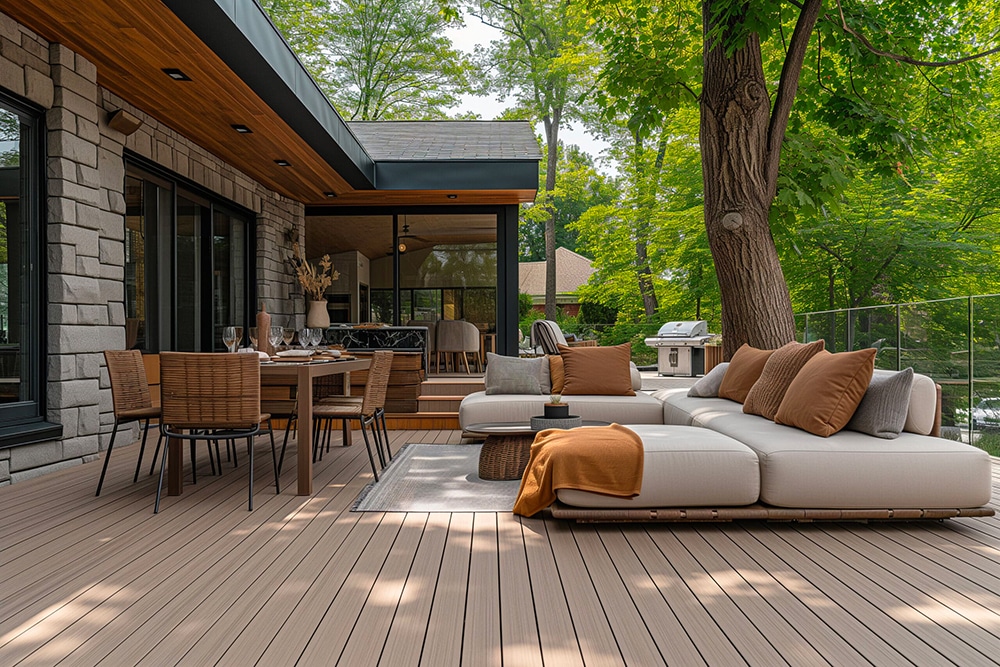
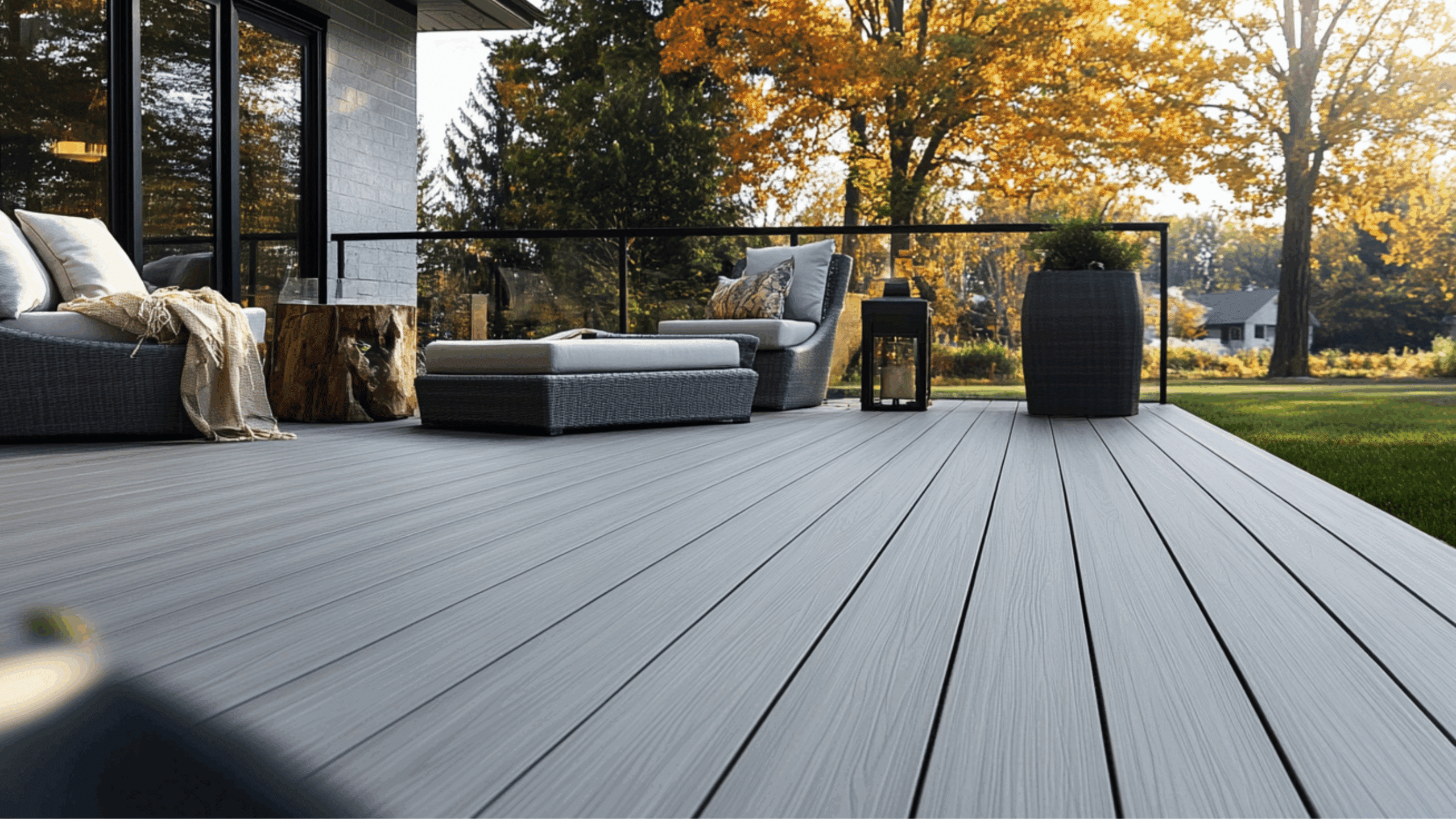
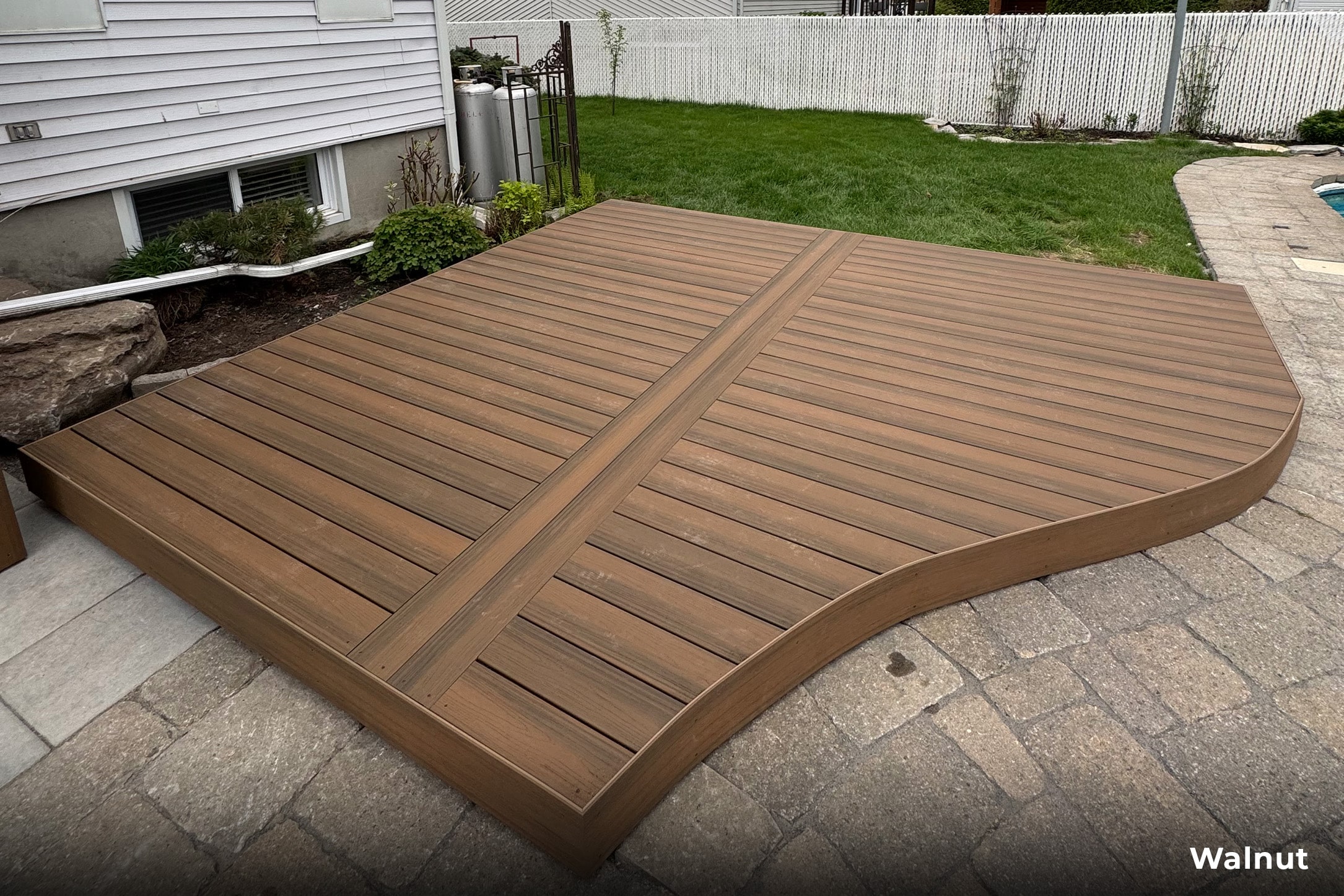
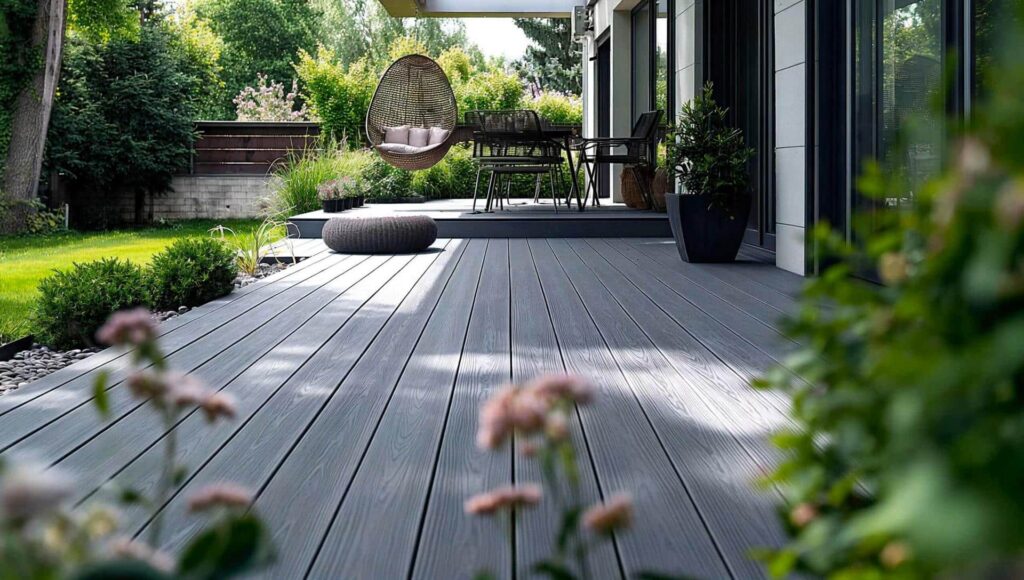
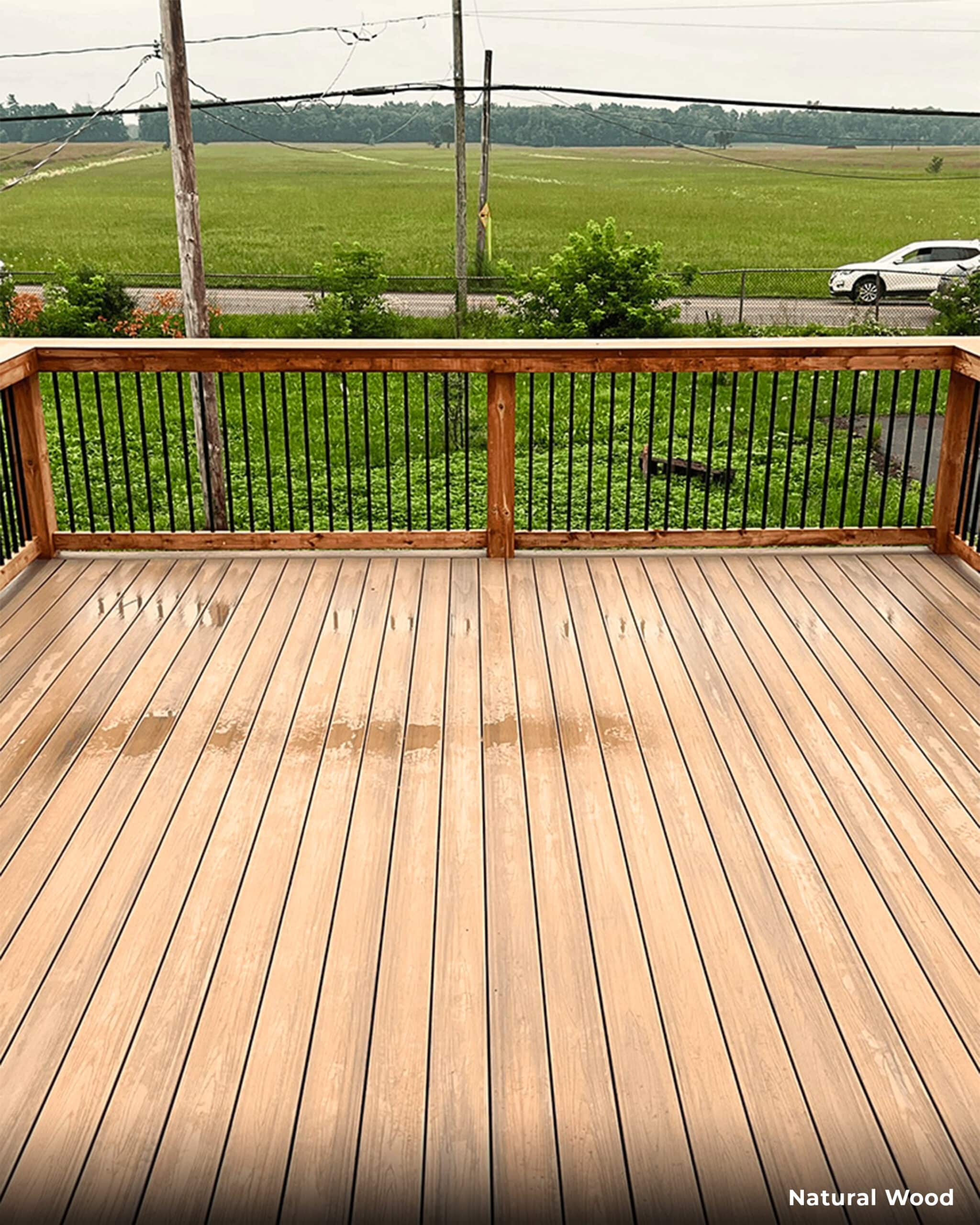
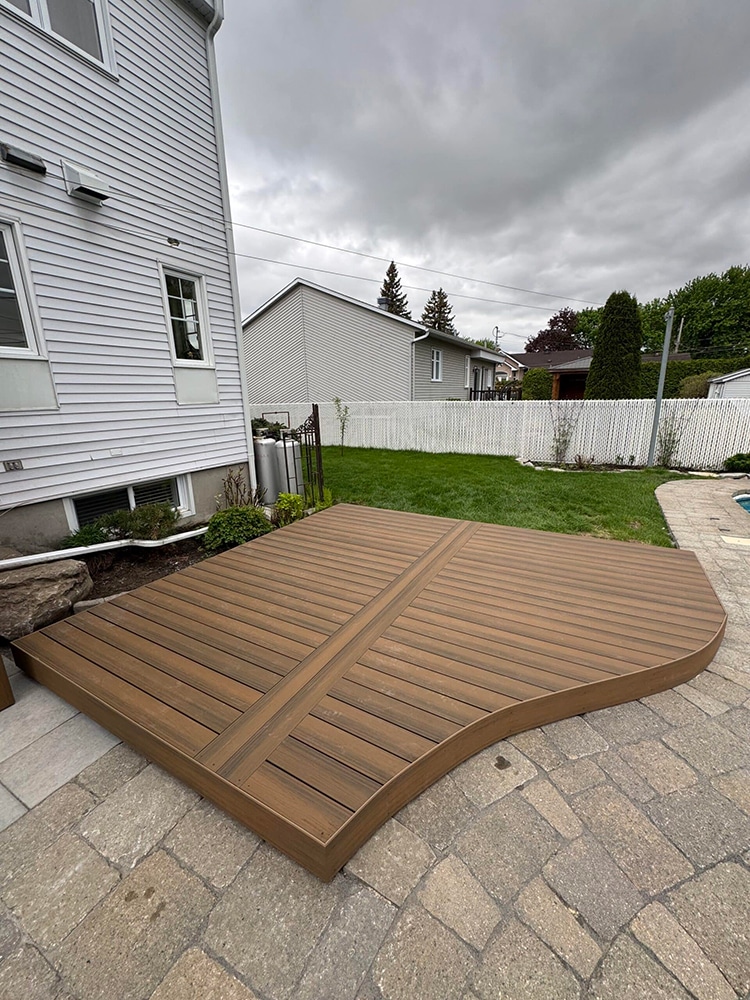
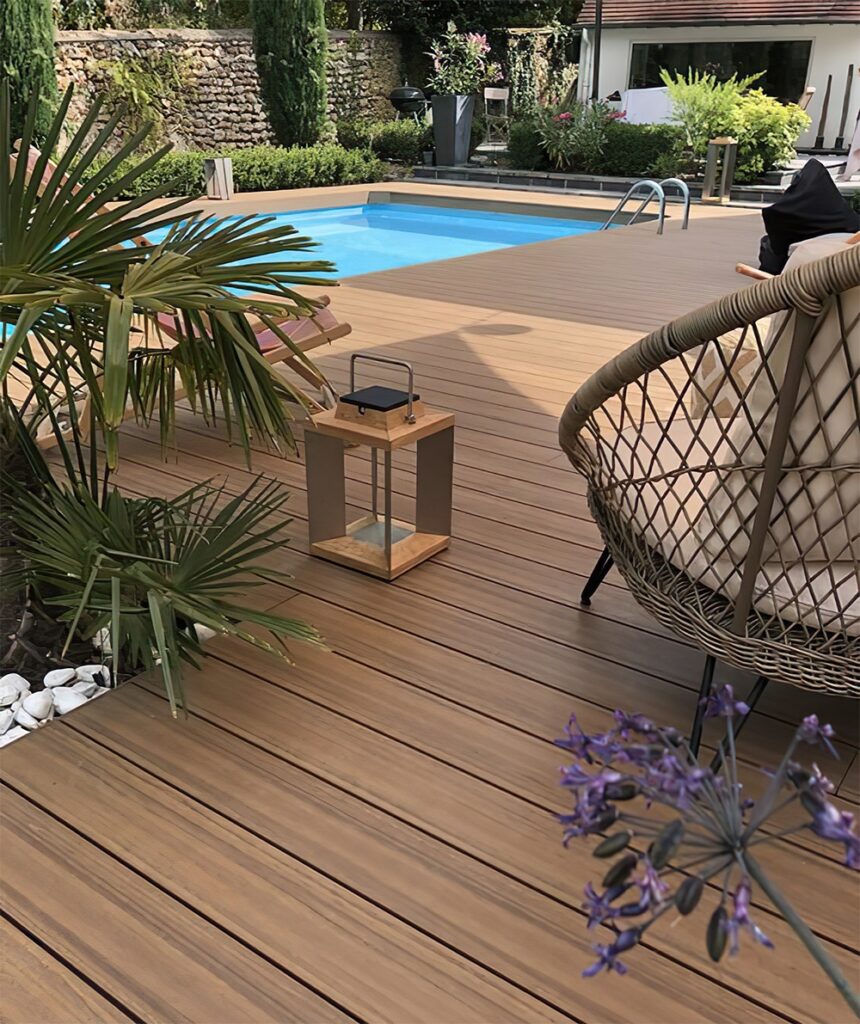
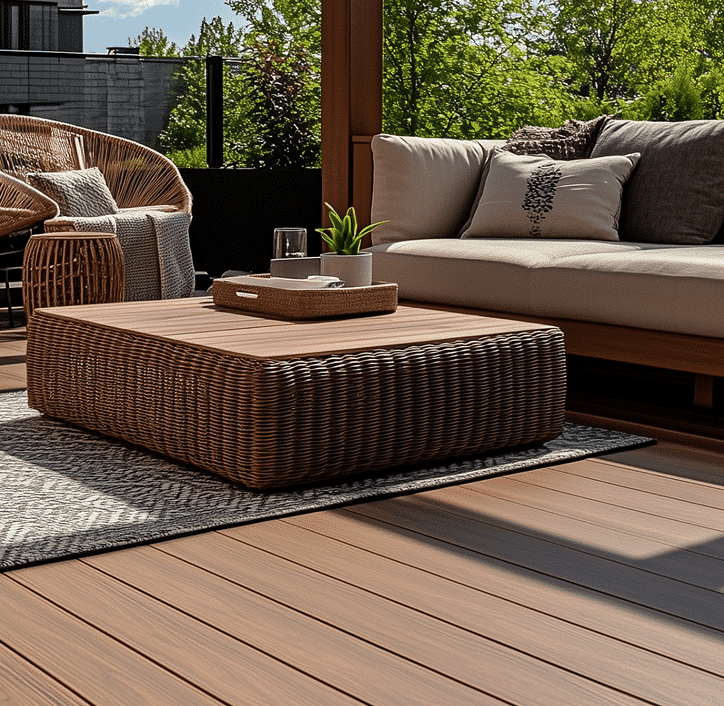
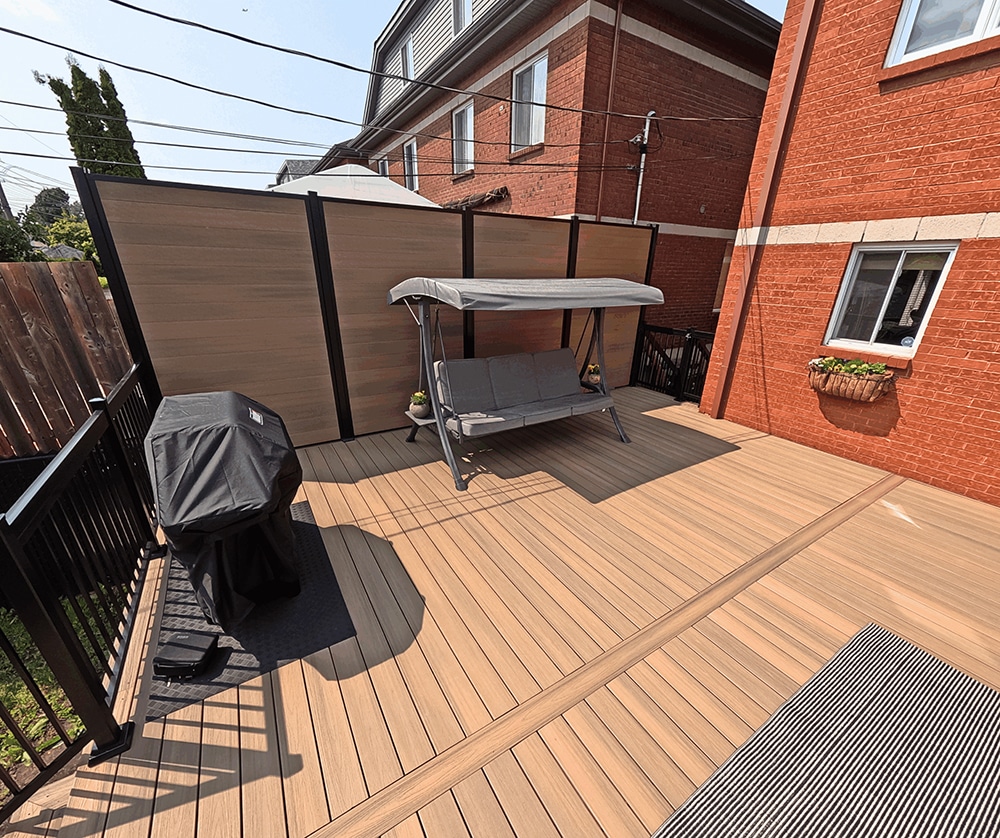
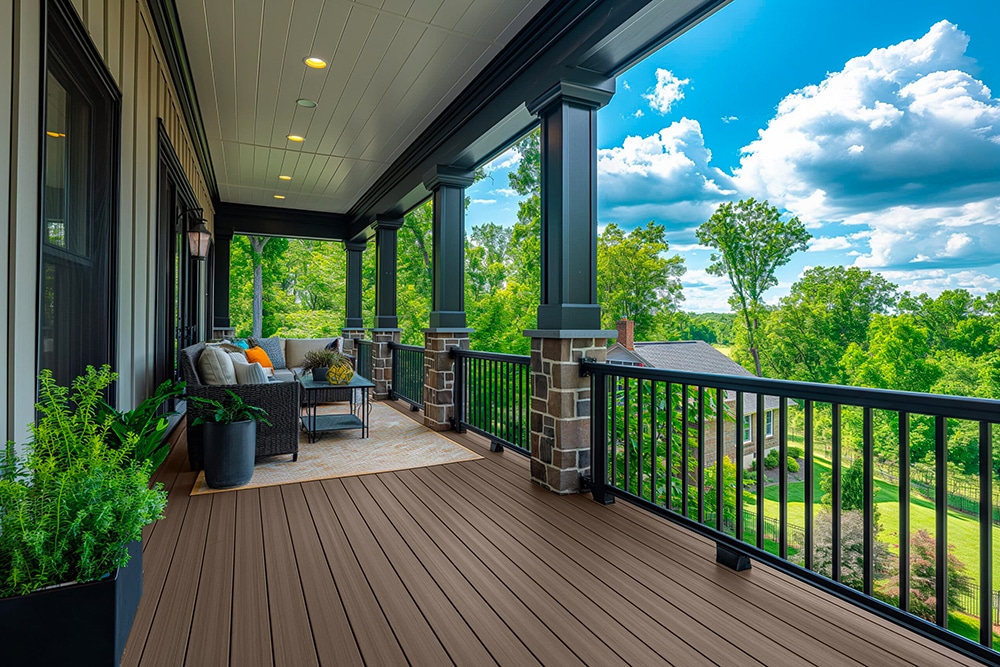
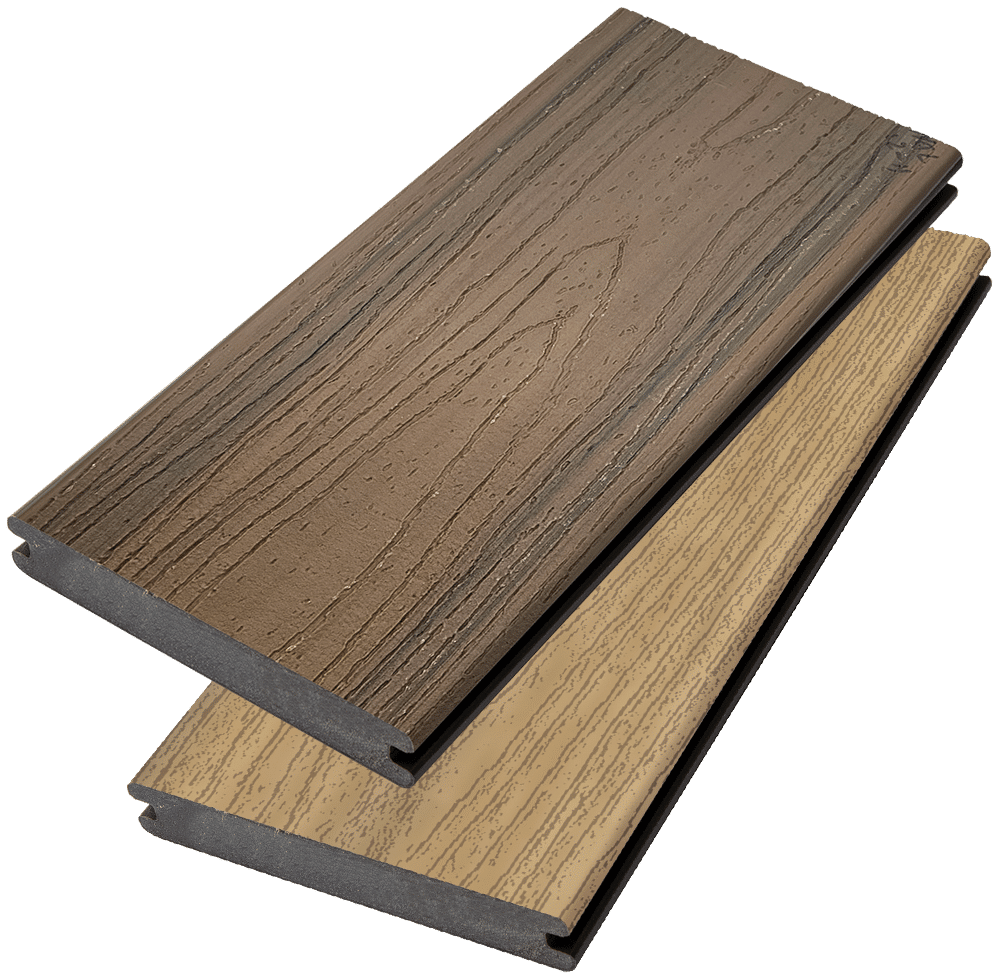
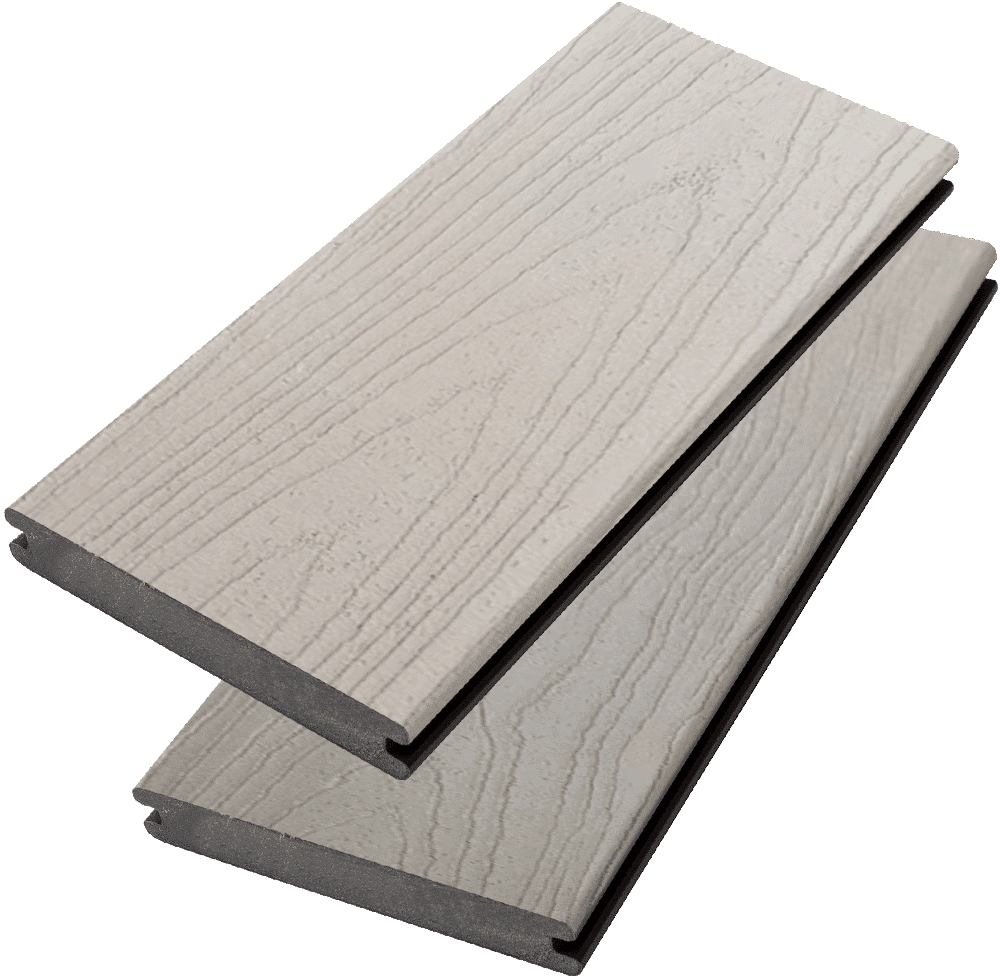
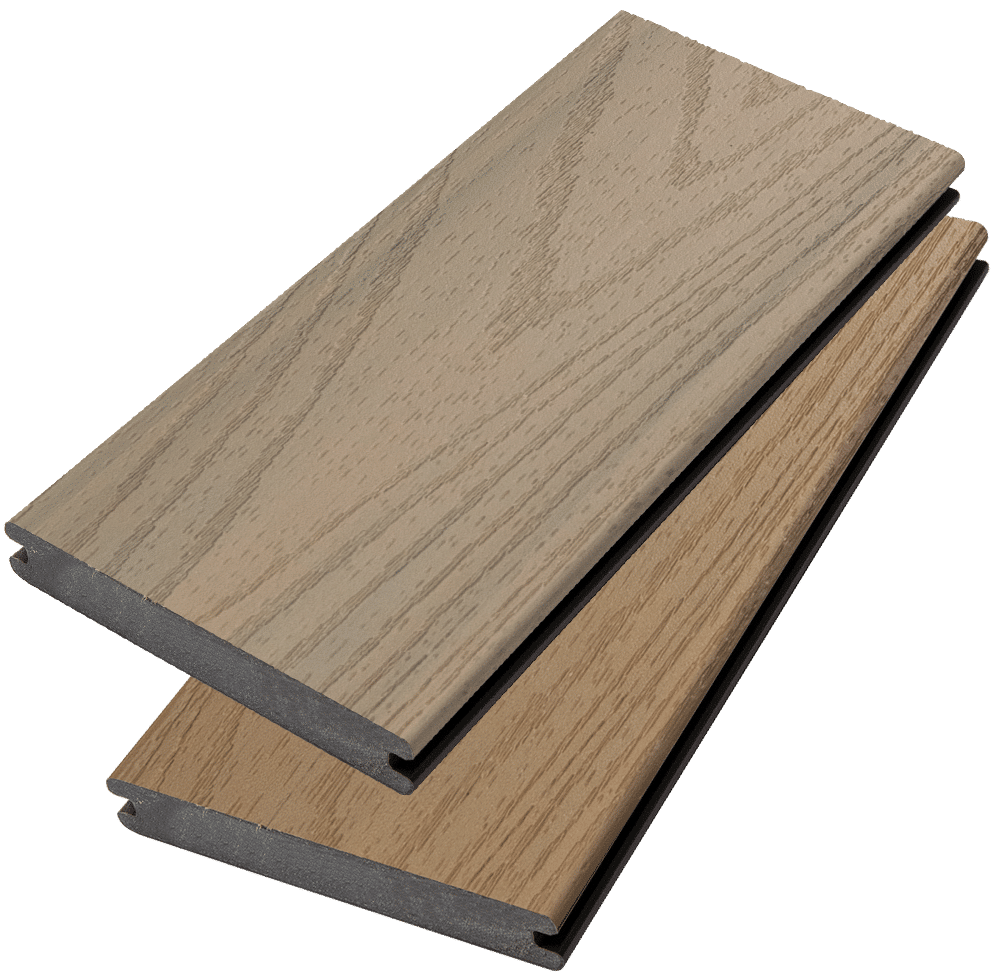
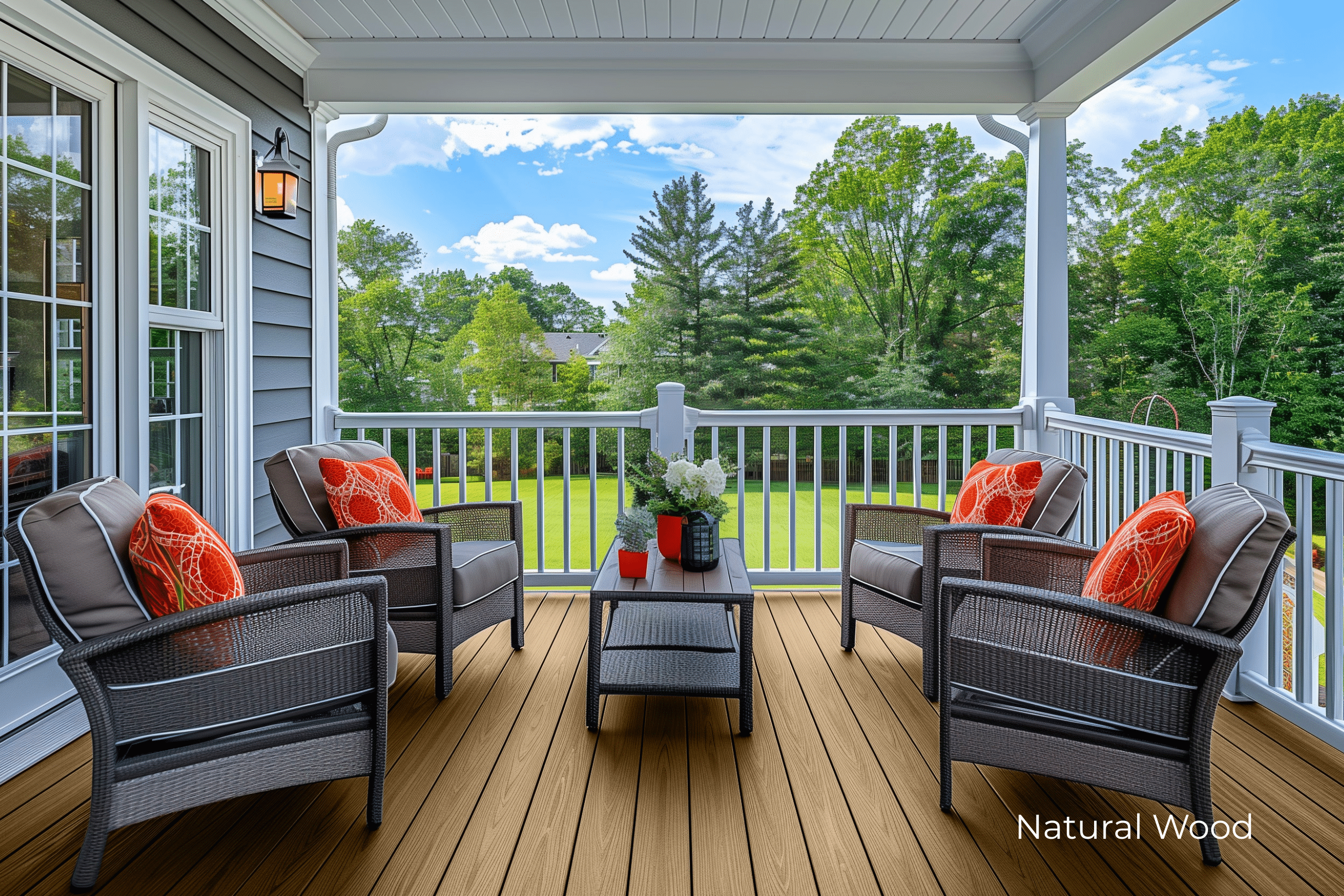
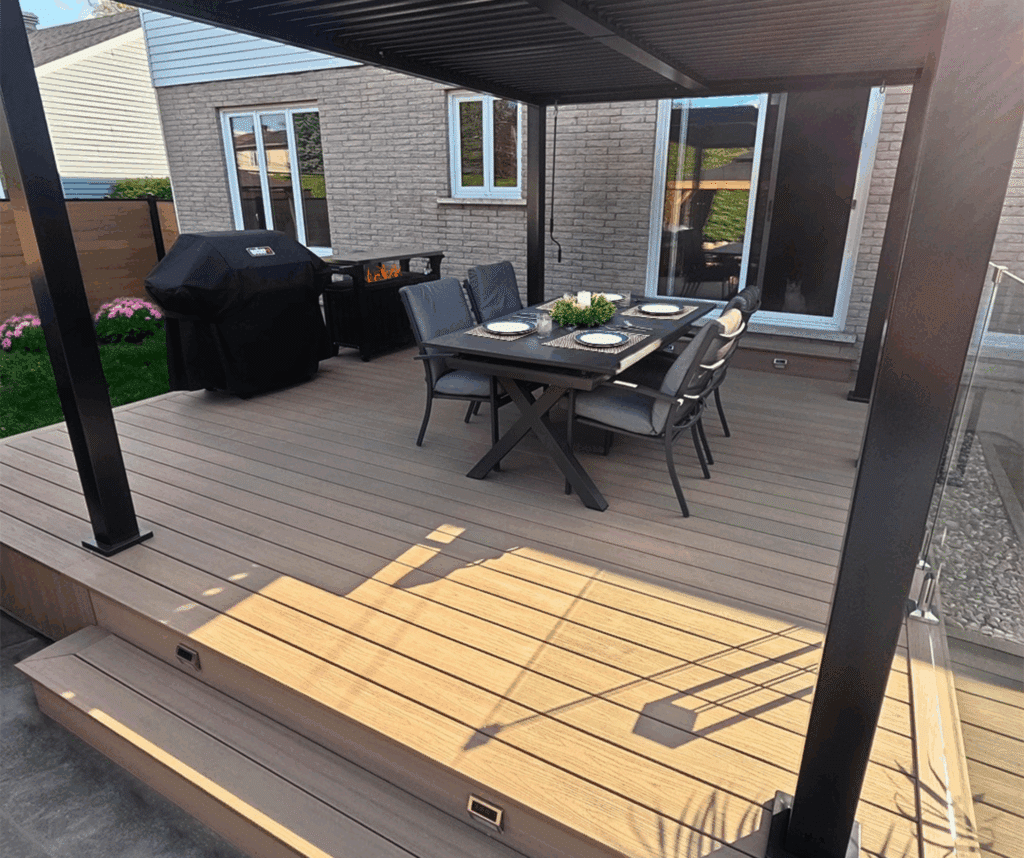
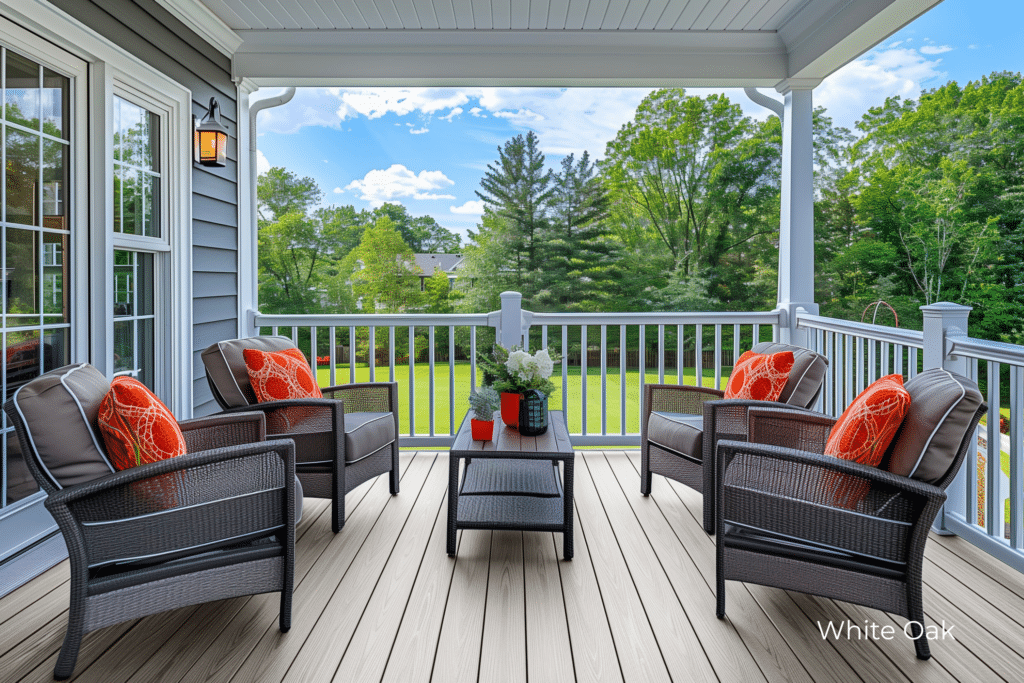
Today’s premium composite decking has evolved dramatically. Early products often looked artificial, but modern manufacturing techniques now create highly realistic woodgrain finishes with rich textures and sophisticated colors and styles.
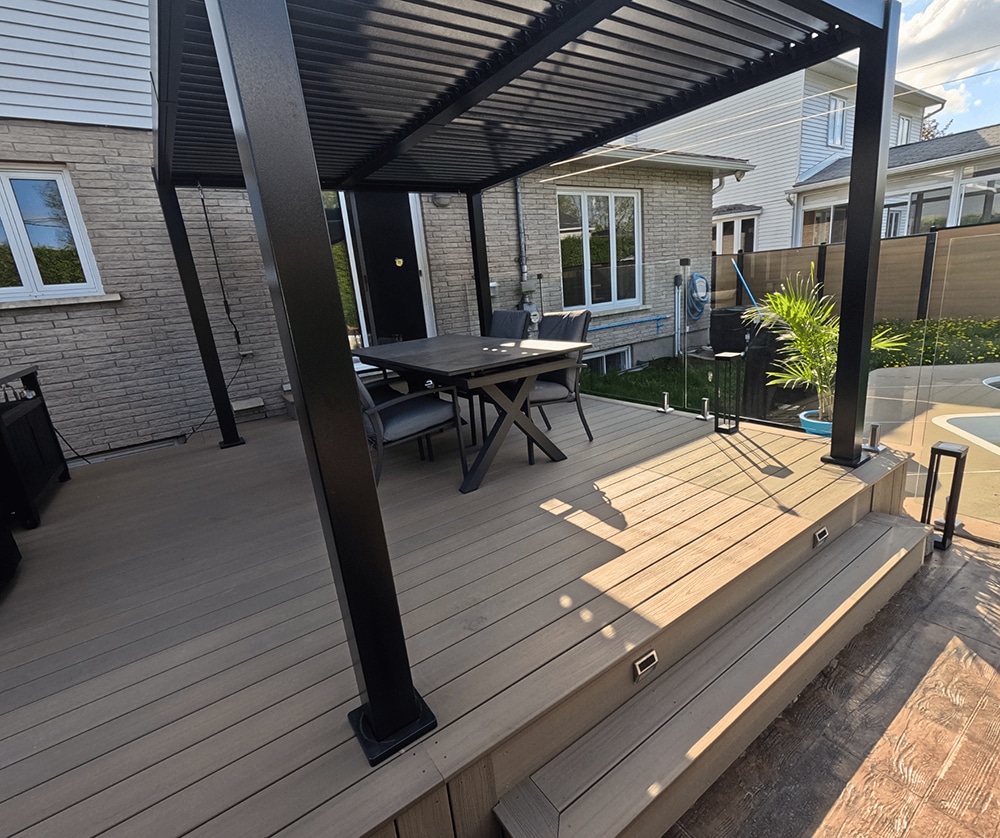
FiberWood offers elegant finishes that complement both contemporary and traditional homes, allowing homeowners to create a custom deck without sacrificing performance.
Natural Wood still offers unique grain patterns that cannot be perfectly replicated. Species such as cedar, redwood, and tropical hardwoods provide authentic character, but they also weather naturally over time.
Available finishes include a wide range of:
This broad selection of colors makes it easy to coordinate your decking with your home’s architecture.
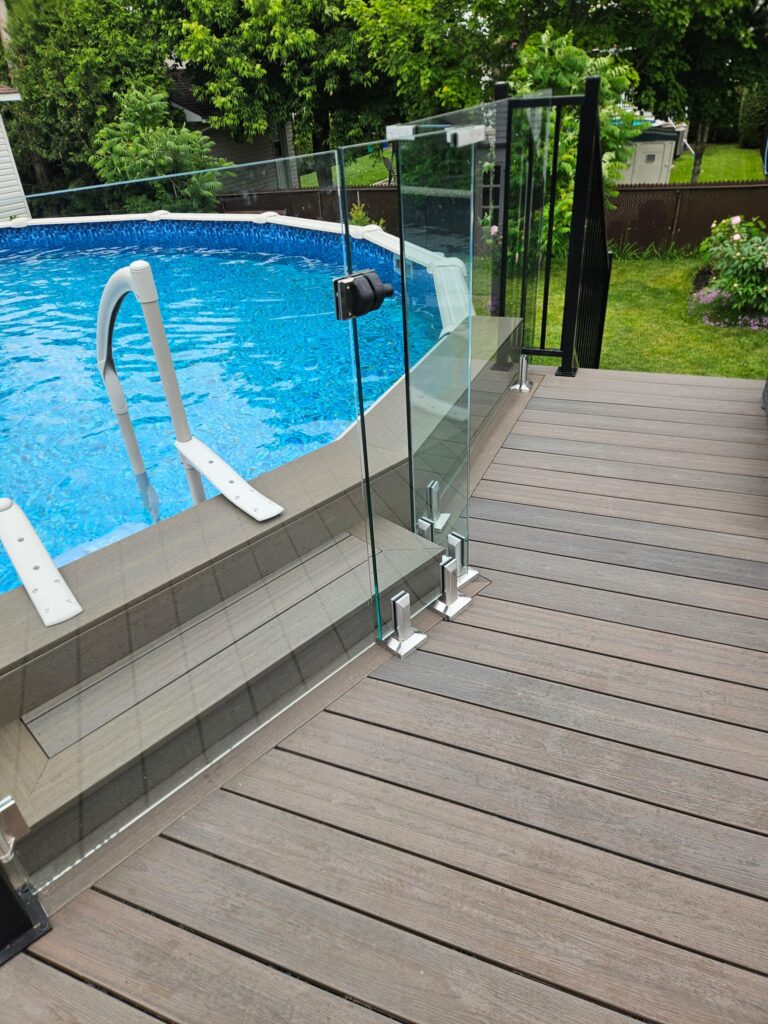
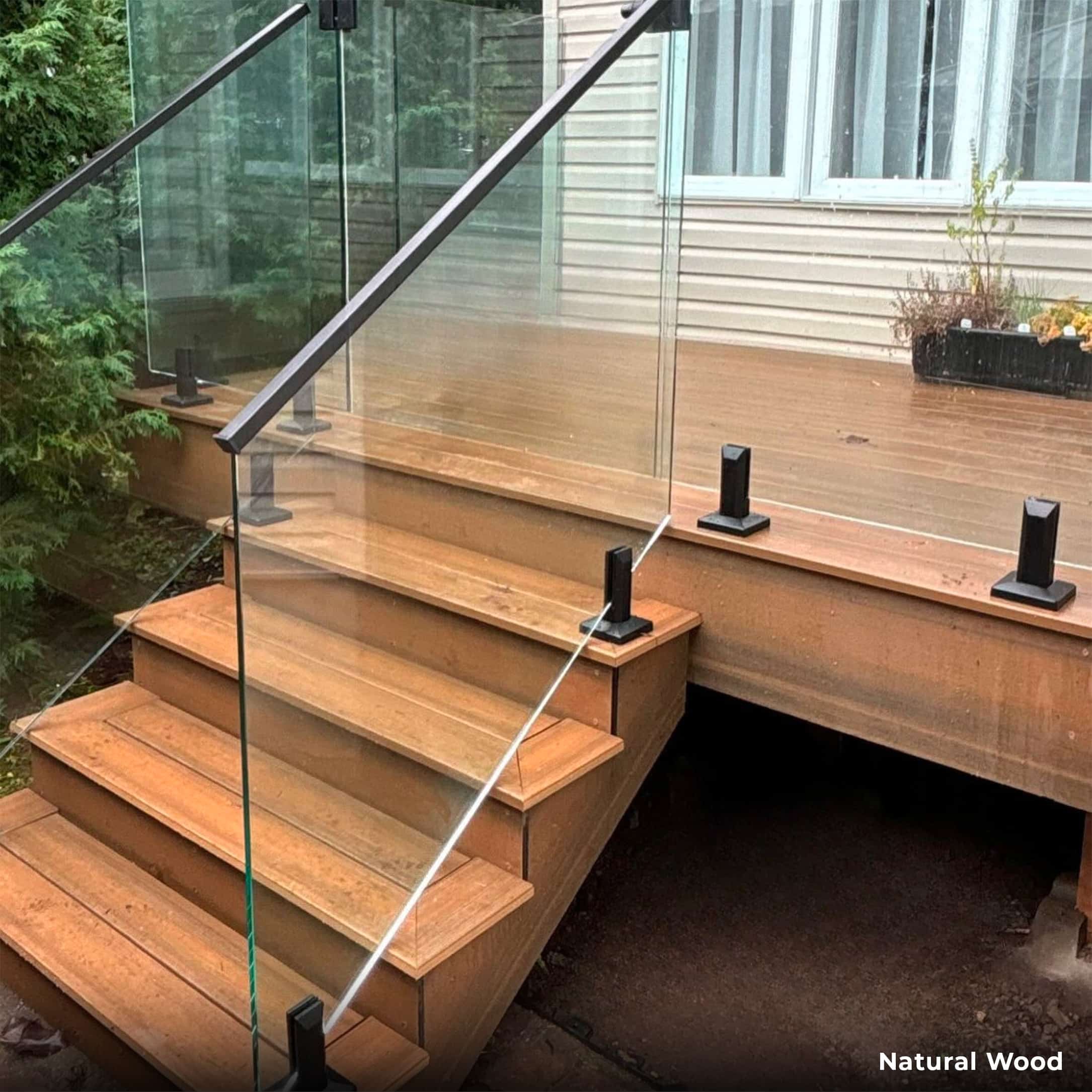
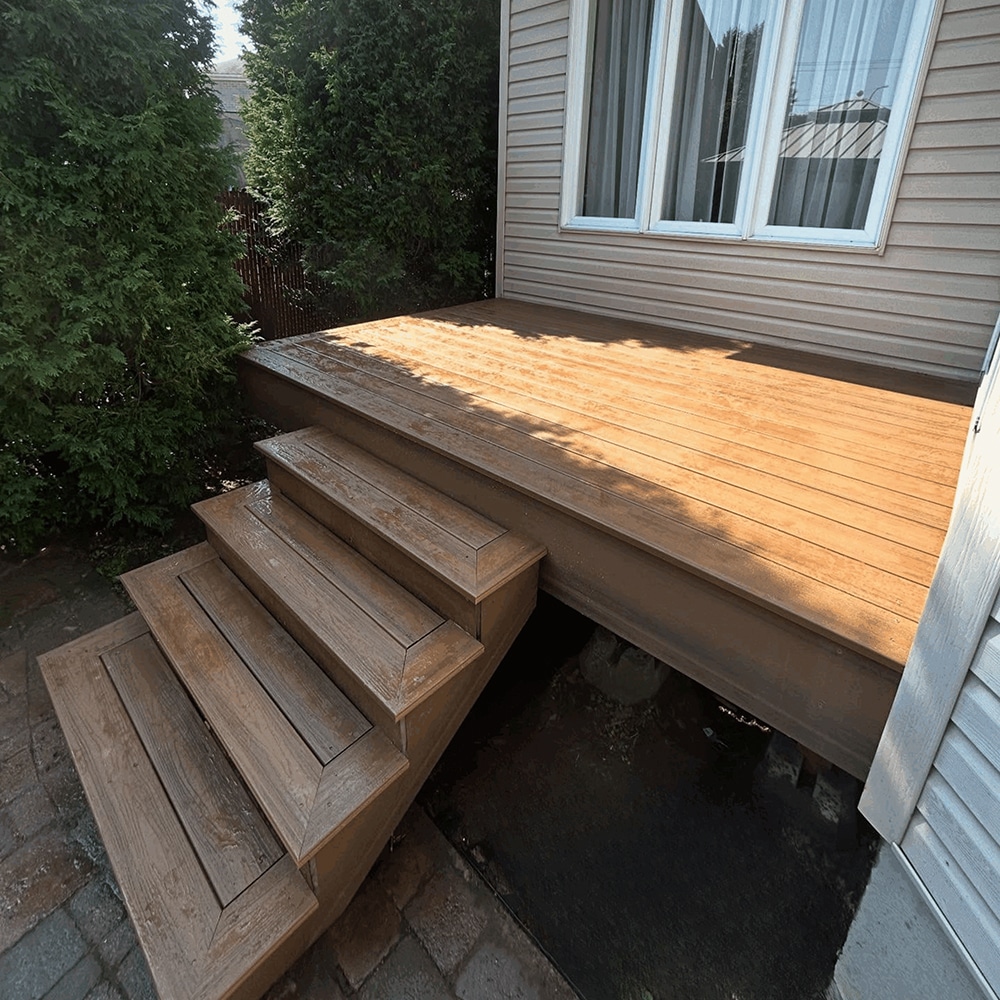
Unlike traditional lumber, many composite deck boards are manufactured with matching fascia, stair components, trim pieces, and hidden fastening systems that create a cleaner finished appearance.
This allows homeowners and designers to achieve a seamless, high-end look throughout the entire deck-building project.
One of the biggest differences between composite decking and Wood Decking is the amount of ongoing maintenance required.
While both materials benefit from periodic cleaning, the long-term commitment is dramatically different.
A traditional wood deck requires routine care to preserve both its appearance and structural integrity.
Typical maintenance includes:
As the years pass, homeowners often need to re-stain faded surfaces and occasionally re-paint decorative elements.
Leaves, debris, standing water, and dirt should also be removed regularly to reduce the risk of mold, mould, moss, and algae growth.
Composite products require significantly less attention.
Most manufacturers recommend periodic cleaning using water, mild soap, and a soft brush.
For stubborn dirt, a garden hose or a pressure washer equipped with a fan spray nozzle may be used according to the manufacturer’s recommendations.
Because premium composite decking resists staining, moisture absorption, and mildew, homeowners spend less time maintaining their outdoor living areas.
Although the purchase price of composite may be higher initially, reduced labour and maintenance requirements often lower total ownership costs.
Over the life of the deck, homeowners typically spend far less on:
These reduced maintenance costs are one of the strongest reasons many homeowners choose FiberWood composite products.
Every decking material experiences years of exposure to weather, sunlight, and heavy foot traffic.
The question is how well those materials perform over time.
Modern composite decking is engineered to maximize longevity while minimizing common structural issues.
Compared with untreated lumber, composite boards offer improved resistance to:
Many capped products are also considered highly pest resistant, helping reduce long-term maintenance concerns.
Modern composite decking is engineered to maximize longevity while minimizing common structural issues.
Compared with untreated lumber, composite boards offer improved resistance to:
Many capped products are also considered highly pest resistant, helping reduce long-term maintenance concerns.
As sustainability becomes increasingly important, many homeowners consider the environmental footprint of the materials they choose. While both Wood and composite decking have environmental advantages, modern composites are helping reduce waste by incorporating recycled resources into every board.
Many premium composite decking products are manufactured using recycled materials, including recycled wood, plastic, reclaimed fibres, and high-density polyethylene.
By reducing reliance on newly harvested lumber, these products help minimize deforestation while extending the life of existing resources. For homeowners looking for environmentally responsible deck material options, composite is an excellent choice.
Many modern manufacturers also continue improving their production processes by reducing waste and increasing the amount of recycled content used in every board.
One of the most overlooked environmental benefits is lifespan.
Because premium composite deck material lasts significantly longer than many traditional wood products, fewer boards are replaced over time. Longer-lasting products require fewer raw resources throughout their lifecycle, making them an increasingly sustainable building material.
Every homeowner has different priorities, which means there is no one-size-fits-all answer.
If you value the authentic character of natural wood and enjoy seasonal upkeep, traditional Wood Decking may still be an excellent option.
However, if you want superior performance with less work, composite decking offers compelling advantages.
Traditional Wood may be the right solution if you:
FiberWood composite decking is often the better choice if you want:
At FiberWood, we believe a deck should be enjoyed, not constantly maintained.
Our premium composite decking combines the beauty of natural timber with the performance of advanced engineering, allowing homeowners to spend less time working and more time enjoying their outdoor space.
Unlike many traditional Wood Decking products, FiberWood boards resist splintering, fading, moisture, and insects while requiring only simple periodic cleaning.
Whether you’re building a backyard retreat, replacing aging lumber, or creating a luxury entertaining area, FiberWood delivers a solution built for decades of performance.
FiberWood products are designed to provide:
We stand behind every product with a comprehensive warranty, giving homeowners confidence that their investment is built to last.
The best decking begins with superior engineering.
FiberWood’s advanced composite materials combine durability, beauty, and sustainability to create a product that performs exceptionally in a wide variety of climates while maintaining its appearance for years.