


How Thick Are Fence Boards?

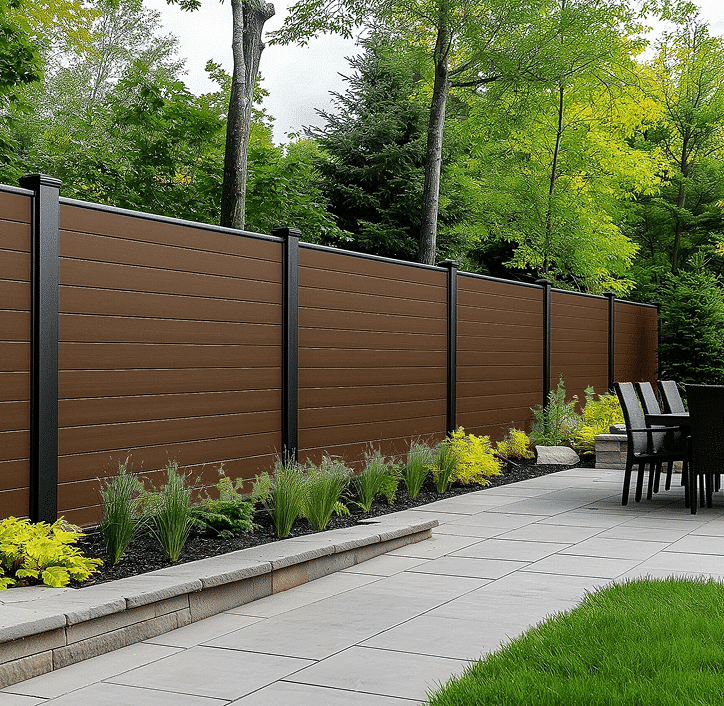
How Thick Are Fence Boards?
Published on:16 July 2026
Article summary
When planning a new fence project, one of the most common questions homeowners ask is: How thick are fence boards? While many people focus on fence height, style, or material, board thickness plays a major role in durability, privacy, appearance, and long-term performance.
Whether you’re building a wood privacy fence, installing composite panels, or exploring modern aluminum alternatives, understanding fence board thickness can help you choose the right product for your property. The thickness of a fence board affects everything from structural strength and wind resistance to maintenance requirements and lifespan.
One of the biggest sources of confusion is the difference between nominal and actual board dimensions. A board labeled as a 1×6 fence board does not actually measure 1 inch by 6 inches once it has been dried and finished. Understanding these measurements is essential when comparing products and estimating material quantities.
Understanding Fence Board Thickness
Fence boards are the vertical components attached to horizontal rails to create the visible surface of a fence. Their thickness can vary significantly depending on the material and intended application.
Why Thickness Matters
Board thickness directly influences the strength and durability of a fence. Thicker boards generally provide greater resistance to impacts, wind pressure, and long-term wear.
Common Fence Board Measurements
Most residential fence boards range between 5/8 inch and 1 inch thick depending on the material selected. Wood remains the most common fencing material, but composite, vinyl, and aluminum products each have their own standards.
Nominal vs Actual Fence Board Dimensions
One of the most misunderstood aspects of fencing is lumber sizing.
What Is a Nominal Measurement?
A nominal size refers to the rough-cut dimensions of lumber before drying and finishing. A board sold as a 1×6 is not actually 1 inch thick by 6 inches wide once manufactured.
What Is an Actual Measurement?
Actual dimensions refer to the finished size of the board after milling, drying, and surfacing. A typical 1×6 fence board usually measures approximately 3/4 inch thick by 5-1/2 inches wide.
Standard Thickness for Wood Fence Boards
Wood remains one of the most popular fencing materials because of its natural appearance and versatility.
Typical Wood Fence Board Thickness
Most wood fence boards and pickets range between 5/8 inch and 3/4 inch thick. Premium boards can reach 1 inch thick for greater durability and strength.
5/8-Inch Fence Boards
This thickness is commonly used for standard residential fencing projects. It offers a good balance between affordability and performance.
3/4-Inch Fence Boards
Many premium fence products use 3/4-inch boards because they provide increased durability and improved resistance to warping.
Advantages of Thicker Boards
Thicker boards generally resist bending, splitting, and wind damage more effectively than thinner alternatives.
Discover FiberWood’s durable, low-maintenance fencing solutions.
When to Choose 1-Inch Boards
Heavy-duty applications, high-wind areas, and commercial installations often benefit from 1-inch-thick boards.
Explore FiberWood’s modern fencing styles and finishes.
How Thickness Affects Fence Performance
The thickness of a fence board influences much more than appearance.
A thicker board contains more material, which increases its ability to withstand external forces and everyday wear.
Fences are constantly exposed to wind loads. Thicker boards help reduce flexing and improve overall fence stability.
Comparing Wood, Composite, Vinyl, and Aluminum Fence Boards
Not all fencing materials use the same board thickness standards. The ideal thickness depends on the material’s structural properties, expected lifespan, maintenance requirements, and intended use. Understanding these differences can help homeowners choose a fencing solution that balances durability, appearance, and long-term value.
Composite Fence Boards
Composite boards commonly range from 7/8 inch to 1 inch thick, offering excellent durability and low maintenance. Manufactured from a blend of recycled wood fibers and polymers, composite fencing is designed to resist moisture, insect damage, and warping. Its consistent thickness and engineered construction make it a popular choice for homeowners seeking a long-lasting alternative to traditional wood fencing.
Vinyl Fence Boards
Vinyl fence boards are often manufactured between 3/4 inch and 1 inch thick to replicate the appearance of wood while resisting rot and insects. Unlike wood, vinyl does not absorb moisture, making it highly resistant to mold, mildew, and decay. Modern vinyl fencing is available in a wide range of styles and colors, allowing homeowners to achieve a clean, attractive appearance with minimal upkeep.
Benefits of Composite Materials
Composite fencing combines strength, weather resistance, and long-term durability. It is less likely to crack, split, or fade than traditional wood, making it an excellent option for areas exposed to harsh weather conditions. Although the initial investment may be higher, many homeowners appreciate the reduced maintenance costs and extended lifespan that composite materials provide.
Choose FiberWood for strength, style, and long-term performance.
Benefits of Aluminum Systems
Modern aluminum fencing does not rely on traditional fence boards but instead uses engineered profiles that offer exceptional strength with minimal maintenance. Aluminum systems are highly resistant to rust, corrosion, and weather-related damage, making them ideal for long-term outdoor use. Their sleek appearance, durability, and ability to maintain structural integrity without warping or cracking have made aluminum fencing an increasingly popular choice for both residential and commercial properties.
Find the perfect fence for your property.
Choosing the Right Thickness for Your Fence
Several factors should influence your decision.
Privacy fences generally benefit from thicker boards because they create a stronger and more durable barrier.
Decorative fences often use thinner pickets since privacy and security are not the primary objectives.
Why FiberWood Fence Boards Are Different
FiberWood offers innovative fencing solutions designed for long-term performance and modern aesthetics.
Unlike traditional wood fences that can warp, crack, or deteriorate over time, FiberWood systems are engineered to deliver outstanding durability, weather resistance, and low maintenance. Whether you’re looking for privacy, security, or architectural style, choosing high-quality fencing materials ensures your investment continues to perform for years to come.
When evaluating fence board thickness, remember that the thickest option is not always the best choice. The ideal thickness depends on the fence material, design, environmental conditions, and intended use. By understanding nominal versus actual dimensions and comparing different fencing products, homeowners can make informed decisions that maximize both performance and value.